How Weather Exposure Affects Stone Masonry Structures
People seeking stone masonry repair often want to address damage caused by weather exposure, and local service providers can help restore and protect these structures effectively.
Understanding how weather exposure affects stone masonry structures is essential for property owners who want to preserve the integrity and appearance of their buildings. Over time, elements like rain, snow, wind, and temperature fluctuations can cause wear and damage, leading to issues such as cracking, erosion, or loosening of stones. Recognizing these effects early can help prevent costly repairs and maintain the structural stability of historic landmarks, residential facades, or garden features. Local contractors experienced in stone masonry repair are equipped to assess weather-related impacts and recommend appropriate solutions to keep structures strong and visually appealing.
For property owners in the area, exploring how weather exposure influences stone masonry can provide practical benefits, especially for those managing older or outdoor structures. Regular maintenance and timely repairs can mitigate the effects of weathering, extending the lifespan of stone features and safeguarding property value. Local service providers specializing in stone masonry repair understand the specific challenges posed by weather conditions common in the region and can help address issues caused by prolonged exposure. Keep reading to learn more about how these weather-related factors can impact stone structures and discover how local experts can assist in preserving their durability and beauty.
- When weather exposure causes cracks or deterioration in stone masonry, local contractors can assess and perform necessary repairs to restore structural integrity. - If stone surfaces show signs of erosion or surface spalling due to moisture or freeze-thaw cycles, local service providers can apply targeted repair techniques. - When efflorescence or mineral deposits appear on stonework from water infiltration, local pros can identify sources and implement sealing or repair solutions. - For stone structures affected by ongoing weather-related damage, local contractors can evaluate the extent and recommend appropriate restoration methods. - When weather exposure leads to loose or unstable stones, local service providers can re-secure or replace affected elements to ensure durability.
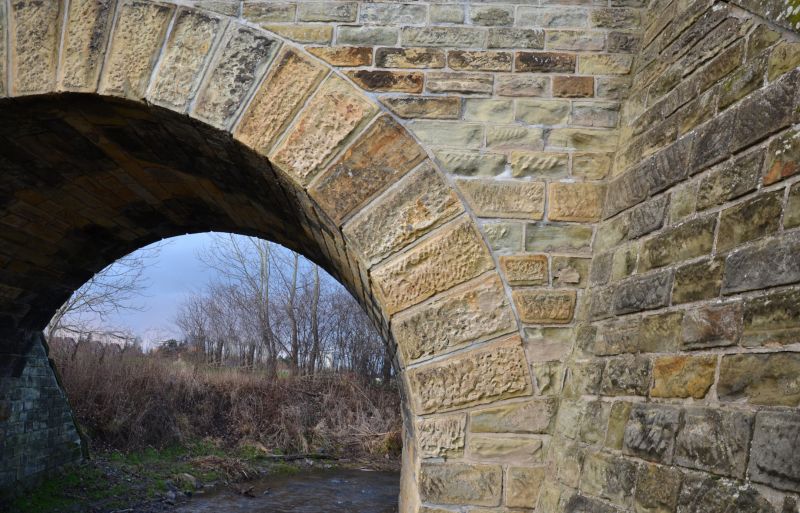
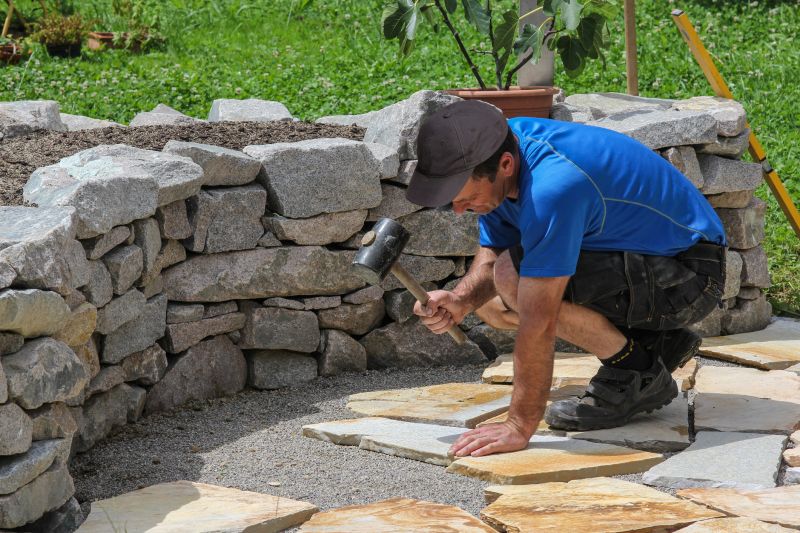
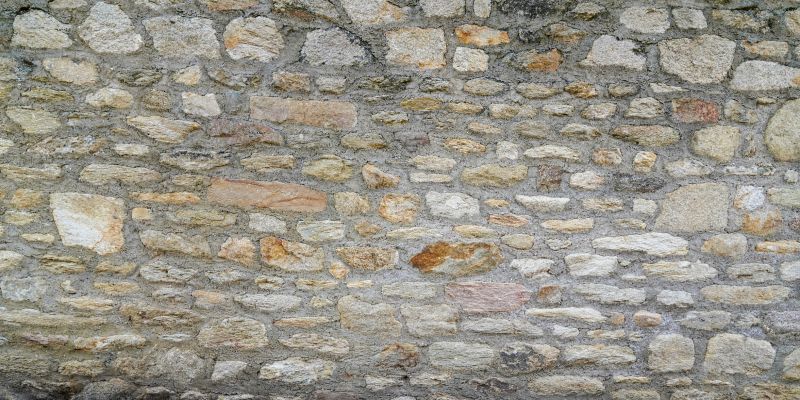
When people search for information about how weather exposure affects stone masonry structures, they are often trying to understand why their stone features are deteriorating or showing signs of damage. This topic typically comes up in the context of maintaining or restoring historic buildings, retaining walls, outdoor fireplaces, or decorative stonework on residential properties. Homeowners may notice cracks, crumbling mortar, or discoloration and want to know if weather conditions are contributing factors. Understanding this connection helps them plan appropriate repairs and prevent further damage, making it a common concern for those looking to preserve the integrity and appearance of their stone structures.
Problems related to weather exposure in stone masonry often involve issues like water infiltration, freeze-thaw cycles, and surface erosion. Water can seep into tiny cracks or porous surfaces, leading to deterioration over time. When temperatures drop, trapped moisture freezes and expands, causing cracks to widen or new ones to form-a process known as freeze-thaw damage. Additionally, prolonged exposure to rain, snow, or even intense sunlight can weaken the stone’s surface, leading to spalling or surface flaking. These problems are especially common in outdoor settings where stone is directly exposed to the elements, and they can compromise both the appearance and structural stability of the masonry.
Properties that frequently come up in discussions about weather exposure include natural stone types like limestone, sandstone, and granite, as well as manufactured or veneer stone used in various construction projects. Each type of stone reacts differently to weather conditions due to variations in porosity and mineral composition. For example, softer stones like limestone and sandstone are more susceptible to erosion and water damage, while harder stones like granite tend to resist surface wear but can still suffer from cracking and surface spalling. Homeowners often seek guidance on how these properties influence the longevity of their stonework and how to select appropriate repair or protective measures.
Connecting weather exposure concerns to real projects highlights the importance of working with experienced local service providers who specialize in stone masonry repair. These professionals can assess the specific properties of the stone and the local climate factors that may be accelerating deterioration. They provide solutions such as sealing, repointing, or surface treatments designed to mitigate weather-related damage. For homeowners, understanding how weather affects stone masonry structures emphasizes the value of professional inspections and repairs to maintain the durability and beauty of their property. Local pros play a key role in implementing these solutions, helping ensure that stone features withstand the challenges posed by weather over time.
Historical Restoration Projects - these projects often require expertise in stone masonry repair to address weather-related deterioration on historic structures, ensuring preservation and stability.
Exterior Stone Cladding Installations - professionals skilled in weatherproofing and sealing stone surfaces can help protect new installations from weather exposure impacts.
Stone Wall Construction and Repair - local contractors experienced in building and restoring stone walls understand how weather exposure can cause cracking and erosion over time.
Cultural Heritage Conservation - specialists working on heritage sites focus on techniques to mitigate weather damage and maintain the integrity of stone structures.
Natural Stone Facade Restoration - experts in restoring stone facades are familiar with weather-related issues like staining and surface degradation that affect appearance and durability.
Stone Pavement and Pathway Repair - contractors skilled in stone paving can address weather-induced shifting and erosion to prolong the lifespan of outdoor stone features.
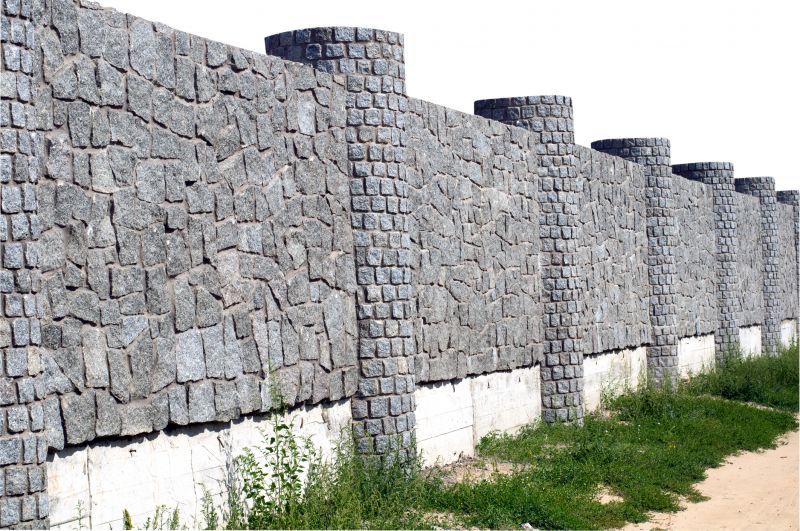
When evaluating stone masonry repair services, it is important to consider the experience of local contractors with projects similar to yours. A contractor who has worked extensively on structures exposed to weather conditions comparable to your location will better understand the unique challenges posed by moisture, temperature fluctuations, and other environmental factors. This familiarity can contribute to more effective repair strategies that address specific weather-related issues, helping to preserve the integrity and appearance of your stonework over time.
Clear communication of expectations is essential when comparing service providers. Homeowners should seek out contractors who are willing to provide detailed explanations of their proposed repair approach, including how they plan to address weather exposure concerns. Well-defined scope of work and materials can help ensure that both parties share an understanding of the project’s goals, reducing the potential for misunderstandings or unmet needs down the line.
Reputable references and a history of trustworthy work are valuable indicators of a contractor’s reliability. When reviewing local service providers, it is beneficial to ask for references from previous clients who had similar weather exposure conditions. Additionally, a contractor’s reputation for professionalism, responsiveness, and transparency can make the process of selecting a repair specialist more straightforward. Good communication throughout the project is also crucial, as it allows homeowners to stay informed about progress and any issues that may arise during the repair of stone masonry structures affected by weather exposure.
Property owners often search for how weather exposure affects stone masonry structures when they are planning practical projects around their homes and businesses. Local pros provide Stone Masonry Repair services for everyday jobs and straightforward project options.
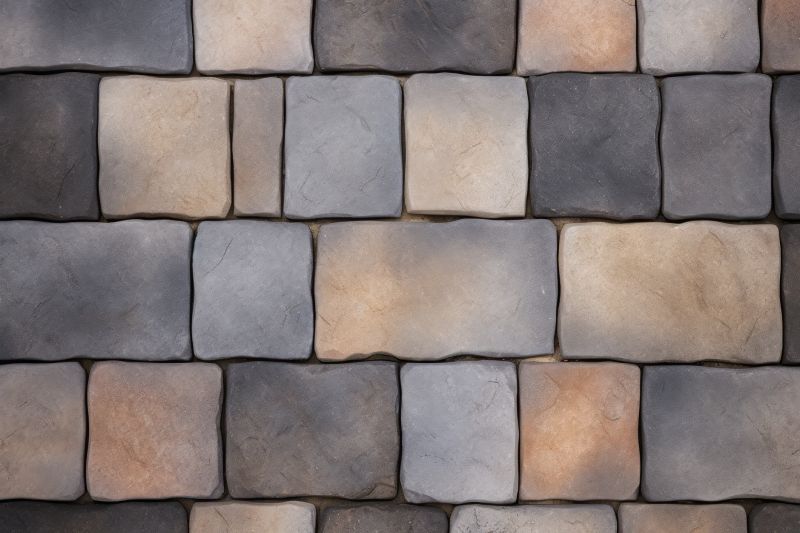
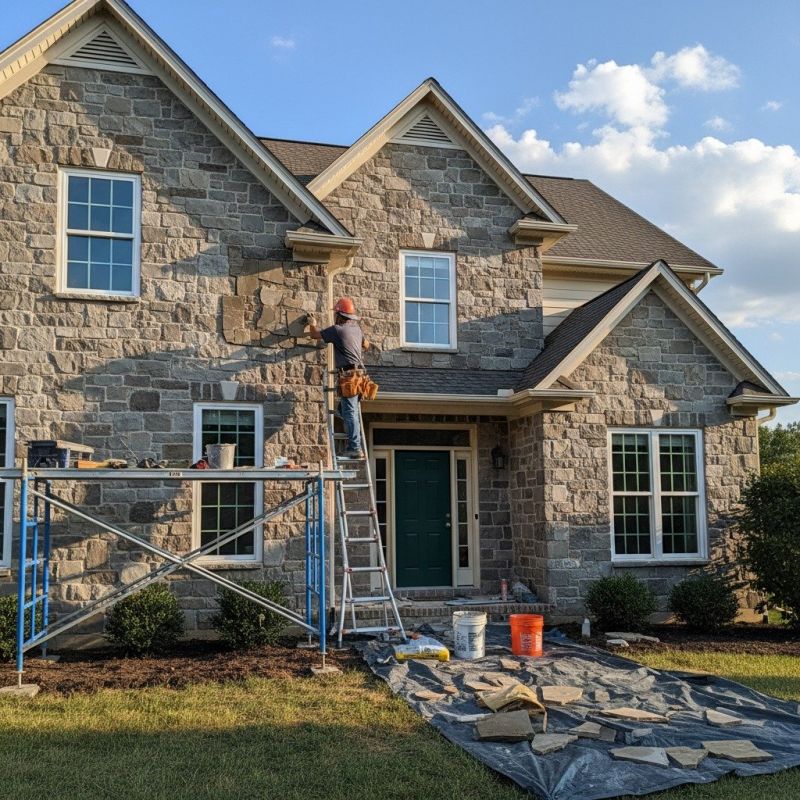
Weather exposure can have a significant impact on stone masonry structures in the local area. Over time, elements like rain, snow, and temperature fluctuations can cause stones to crack, erode, or loosen, leading to structural issues or aesthetic deterioration. Property owners may notice signs such as crumbling mortar, staining, or shifting stones, which can signal the need for repairs. Understanding how weather exposure affects these structures can help property owners determine when professional stone masonry repair services might be necessary to preserve their property's integrity and appearance.
Local contractors experienced in stone masonry repair are equipped to address weather-related damage and prevent further deterioration. They can assess the extent of weather exposure effects and recommend appropriate solutions, whether that involves repointing mortar joints, replacing damaged stones, or sealing surfaces to reduce future weather impact. Property owners seeking to maintain the durability and visual appeal of their stone structures may find it helpful to compare local service providers who specialize in restoring and protecting masonry against the challenges posed by weather exposure.
How does weather exposure impact the durability of stone masonry structures? Weather exposure can cause deterioration in stone masonry by promoting processes like cracking, spalling, and erosion, which may weaken the overall integrity of the structure. Local contractors experienced in stone masonry repair can assess and address weather-related damage to extend the lifespan of these structures.
What types of weather conditions are most harmful to stone masonry? Moisture from rain, freeze-thaw cycles, and temperature fluctuations are particularly damaging, as they can lead to expanding and contracting that causes cracks and surface deterioration. Skilled service providers can recommend protective measures and repairs to mitigate these effects.
Can weather exposure lead to structural issues in stone masonry buildings? Yes, ongoing weather exposure can cause foundational instability and surface damage, which may result in more serious structural problems over time. Local pros can perform repairs that help reinforce and preserve the stability of stone structures affected by weather.
What maintenance practices help protect stone masonry from weather-related damage? Regular inspections, repointing mortar joints, and applying appropriate sealants are effective practices. Stone masonry repair specialists can advise on and perform these maintenance tasks to prevent weather-induced deterioration.
How can local contractors help restore stone masonry affected by weather exposure? They can assess damage caused by weather, perform necessary repairs like cleaning, repointing, and sealing, and implement protective solutions to enhance resilience against future weather exposure impacts.
Assessing Weather Impact - Property owners can evaluate how exposure to rain, snow, or sun may lead to deterioration of stone masonry and plan repairs accordingly with local contractors.
Choosing Protective Measures - Installing sealants or waterproof barriers with the help of local pros can help minimize weather-related damage to masonry surfaces.
Monitoring for Damage - Regular inspections can identify early signs of weather-induced wear, allowing for timely repairs by experienced stone masonry service providers.
Planning for Long-Term Durability - Incorporating weather-resistant materials and design features can extend the lifespan of stone structures, with guidance from local masonry repair specialists.
If you are thinking about how weather exposure affects stone masonry structures for a property, this guide is meant to help you understand this topic, the typical project types, and how different options might fit your plans.
When you are ready, you can use the quote form on this page to share a few details about your project. From there, local pros can review the basics and follow up with options that match what you have in mind.