Stone Masonry vs. Brick Masonry: Key Differences
People exploring stone masonry vs. brick masonry can find local service providers who specialize in durable, attractive stonework or brickwork to meet their project needs.
If you're exploring options for masonry work on your property, understanding the differences between stone masonry and brick masonry can help you make informed decisions. These two techniques each bring unique qualities to a structure, influencing its appearance, durability, and overall maintenance needs. Property owners in the area often consider these factors when planning renovations, new builds, or aesthetic upgrades, making it worthwhile to learn how local contractors specializing in stone masonry can provide insights and tailored solutions for your project.
Continuing to read can shed light on the practical benefits and limitations of each approach, helping you determine which material aligns best with your goals. Local service providers experienced in stone masonry are equipped to guide property owners through the nuances of these methods, ensuring that your choices are well-suited to your property’s style and long-term performance. Gaining a clearer understanding of the key differences can support smarter decisions when it’s time to bring your masonry vision to life.
- Stone Masonry - Ideal for projects requiring durable, natural stone features such as retaining walls and facades, with local contractors specializing in precise stone fitting.
- Stone Masonry - Suitable for restoring historic structures or creating custom stonework, as local pros often have expertise in traditional techniques.
- Stone Masonry - Chosen for outdoor features like fireplaces and garden walls where a natural, timeless appearance is desired, with local service providers emphasizing craftsmanship.
- Stone Masonry - Used when a high-end, long-lasting finish is needed, and local contractors focus on selecting quality stones and proper installation methods.
- Stone Masonry - Recommended for projects that require structural strength and weather resistance, with local pros ensuring proper material selection and construction practices.
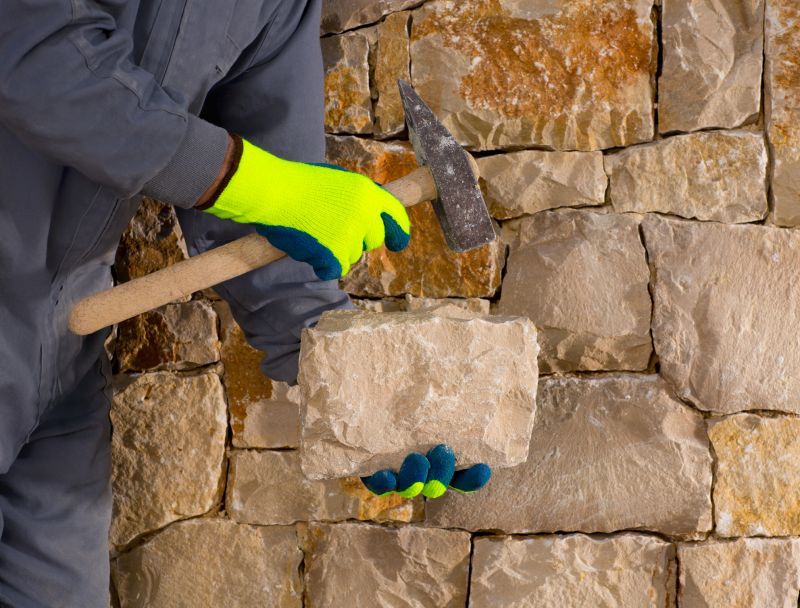
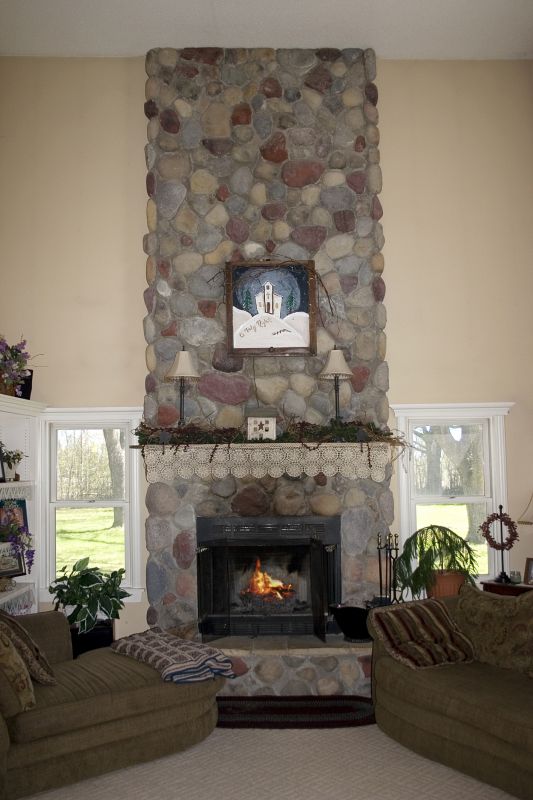

When homeowners search for information about stone masonry versus brick masonry, they are often trying to understand the fundamental differences between these two traditional building methods. This comparison typically comes up during planning for projects such as constructing or restoring exterior walls, fireplaces, patios, or retaining walls. Many property owners want to know which material best suits their aesthetic preferences, durability needs, and overall property style. Understanding the core distinctions can help in making informed decisions about the type of masonry that aligns with their project goals, whether it’s for a new construction or a renovation of an existing structure.
These topics are closely related to a variety of property-related plans and challenges. For example, homeowners might be considering a new outdoor fireplace and want to choose between stone and brick for its appearance and longevity. Others may be repairing or enhancing a historic property and need to match existing masonry work. Problems like cracking, weather resistance, or structural stability often influence the decision, as each material has different strengths and vulnerabilities. Knowing the differences can help property owners avoid costly mistakes and select the most suitable material for their specific environment and design preferences.
The types of properties that commonly involve stone masonry versus brick masonry include residential homes, commercial buildings, historic restorations, and landscape features. Residential properties often feature brick or stone for facades, walkways, or outdoor features. Commercial properties may incorporate these materials for their durability and aesthetic appeal. Historic buildings frequently require stone or brick to preserve architectural integrity. Additionally, outdoor living spaces such as patios, retaining walls, and garden borders may be built using either material, depending on the desired look and functional needs. Local service providers experienced in stone and brick masonry can help evaluate these options based on the property type and project scope.
For homeowners exploring these masonry options, understanding the key differences can clarify what to expect from local pros specializing in stone and brick work. Stone masonry tends to be more durable and offers a natural, timeless appearance, making it suitable for projects that require strength and longevity. Brick masonry, on the other hand, often provides a more uniform look and is easier to work with for detailed or decorative features. Both types of masonry require skilled craftsmanship to ensure proper installation and performance. Connecting with local contractors who specialize in either stone or brick work can help ensure the project is completed to match the property’s needs, aesthetic preferences, and environmental conditions.
Stone veneer installations - projects that involve applying thin stone layers require skills in precise placement and understanding of natural materials, similar to stone masonry techniques.
Fireplace and chimney construction - building durable, heat-resistant structures with masonry materials demands expertise in planning and executing projects comparable to stone and brick masonry work.
Retaining wall projects - designing and constructing retaining walls using stone or brick involves careful planning, structural knowledge, and craftsmanship akin to masonry services.
Facade restoration and repair - restoring or repairing building exteriors with stone or brick involves matching materials and techniques similar to those used in stone masonry vs. brick masonry projects.
Paving and walkway construction - laying durable stone or brick pathways requires precise placement skills and planning comparable to masonry projects involving similar tools and methods.
Architectural feature creation - crafting custom stone or brick features such as arches or columns involves detailed planning and masonry skills relevant to both stone and brick masonry services.
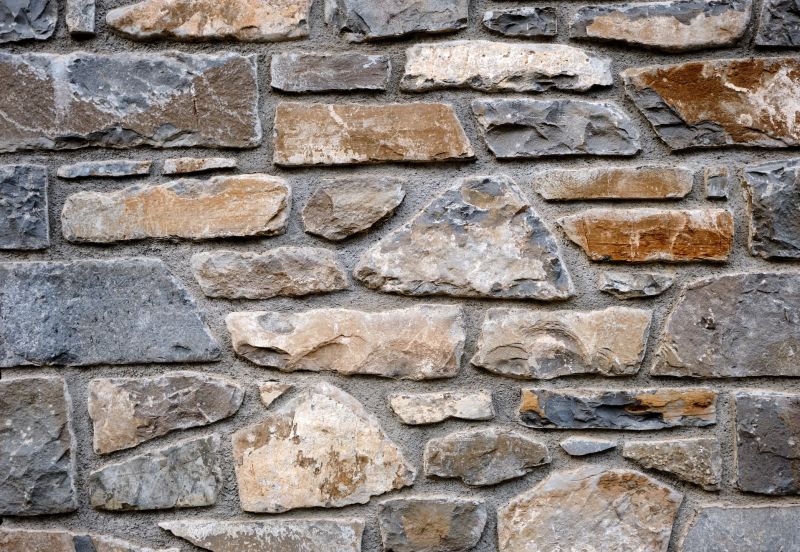
When comparing stone masonry and brick masonry, it’s important to consider the experience of local contractors with similar projects. Homeowners should seek service providers who have a proven track record working with the specific materials and styles they prefer. For stone masonry, look for contractors who have completed projects involving natural stone, retaining walls, or decorative stonework, ensuring they understand the nuances of working with heavier, more irregular materials. Conversely, those interested in brick masonry should find pros who have extensive experience with brickwork for features such as facades, fireplaces, or boundary walls. Confirming a contractor’s familiarity with the unique challenges and techniques associated with each material can help ensure the final results meet expectations.
Clear, written expectations are essential when choosing between stone and brick masonry services. Since these materials differ significantly in appearance, installation methods, and durability, it’s crucial to have detailed project specifications outlined upfront. Homeowners should work with service providers who are willing to provide comprehensive written proposals that specify the scope of work, materials to be used, and the desired aesthetic outcome. This clarity helps prevent misunderstandings and provides a solid foundation for evaluating bids. When considering stone masonry, it’s especially helpful to understand how the contractor plans to handle the irregular shapes and weight of natural stone, while in brick projects, details about mortar joints and brick layout can be equally important.
Reputable references and good communication are vital qualities in local contractors handling stone or brick masonry. Homeowners should ask for references from previous clients who had similar work done, particularly those involving the same material type. Speaking with past clients can reveal insights about the contractor’s craftsmanship, reliability, and ability to manage complex projects. Additionally, effective communication throughout the process ensures that questions are answered promptly and concerns are addressed, which is especially important given the differences in working with stone versus brick. Contractors who maintain open, transparent dialogue and provide detailed updates can help homeowners feel confident that the project will be managed professionally and that the final result aligns with their vision.
Property owners often search for stone masonry vs. brick masonry: key differences when they are planning practical projects around their homes and businesses. Local pros provide Stone Masonry services for everyday jobs and straightforward project options.
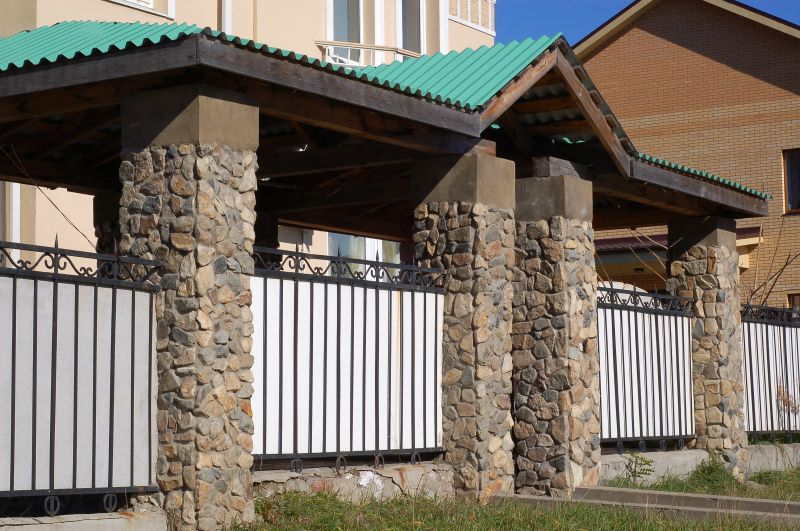
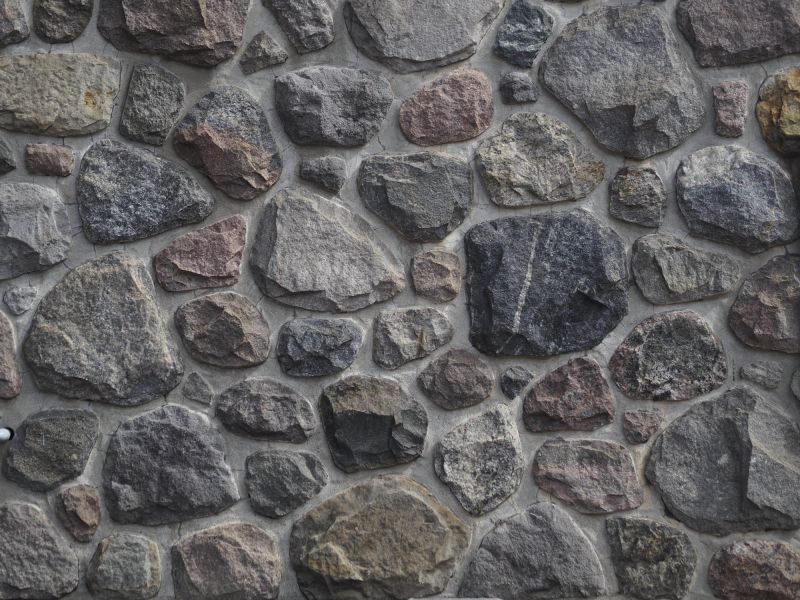
Understanding the differences between stone masonry and brick masonry can help property owners make informed decisions for their projects. Stone masonry typically involves working with natural stones, offering a durable and timeless appearance that’s often preferred for features like retaining walls, facades, or decorative accents. Brick masonry, on the other hand, uses manufactured bricks that are uniform in size and shape, making it a popular choice for building walls, fireplaces, and other structural elements. When considering these options, property owners in the area often look into local contractors who specialize in stone or brick work to ensure the project meets both aesthetic and functional needs.
Choosing between stone masonry and brick masonry depends on factors such as style preferences, budget, and the intended use of the structure. Local service providers can offer guidance on which material suits specific project situations, whether it’s creating a rustic outdoor feature or constructing a sturdy, long-lasting wall. Property owners searching for expert advice or skilled craftsmanship often turn to local pros experienced in stone masonry services, knowing they can help navigate the key differences and select the best material for their property’s unique requirements.
What are the main differences between stone masonry and brick masonry? Stone masonry uses natural stones which create a more durable and timeless appearance, while brick masonry involves manufactured bricks that are often easier to work with and offer a uniform look. Local contractors can help determine which material suits specific project needs.
Are stone and brick masonry suitable for different types of structures? Yes, stone masonry is often chosen for structural elements like retaining walls and facades due to its strength, whereas brick masonry is commonly used for walls and decorative features. Local service providers can advise on the best option for particular applications.
How does the appearance differ between stone masonry and brick masonry? Stone masonry provides a natural, rustic, and varied aesthetic, while brick masonry offers a more consistent, clean, and classic look. Local pros can help select materials that match the desired style of the project.
What are the typical maintenance considerations for stone versus brick masonry? Stone masonry generally requires less maintenance and is more resistant to weathering, whereas brick masonry might need occasional repointing or cleaning. Local contractors can provide guidance on upkeep for each material.
Can local pros customize stone masonry to match specific design preferences? Yes, experienced stone masons can tailor stonework to fit various design styles and structural requirements, ensuring the finished project aligns with the client's vision. Contact local service providers to explore customization options.
Choosing durable materials - property owners can explore stone masonry for projects requiring long-lasting exterior walls or landscaping features with the help of local contractors.
Matching aesthetic styles - homeowners may consider brick masonry for traditional or decorative accents, with local pros providing expert guidance on design options.
Assessing project complexity - larger or more intricate structures might benefit from stone masonry’s strength, while simpler applications could be suited to brick masonry, with local service providers advising on best practices.
Selecting maintenance needs - property owners can evaluate the upkeep required for each masonry type and work with local contractors to choose the most suitable option for their property.
If you are thinking about stone masonry vs. brick masonry: key differences for a property, this guide is meant to help you understand this topic, the typical project types, and how different options might fit your plans.
When you are ready, you can use the quote form on this page to share a few details about your project. From there, local pros can review the basics and follow up with options that match what you have in mind.